Off-road UTV in desert at sunset for the off-road e-commerce case study
HomeCasesOff-road E-commerce Brand
E-commerce case study

Off-road E-commerce BrandBuilding Paid Media
From the Ground Up

How feed engineering, reliable tracking, campaign structure, and analytics helped a premium off-road wheel brand turn Google and Meta into scalable revenue channels.

$224K
Google Ads revenue
2025 from $7,309.12 spend
3,065%
Google Ads ROAS
180 transactions in 2025
6,036%
Meta Ads ROAS
$101,707.54 revenue in 2025
3,782%
Google Ads ROAS
Jan 1 to Apr 30, 2026

The client already had a strong product line. The opportunity was to turn that catalog into a paid media system with clean product data, reliable tracking, controlled campaign structure, and reporting the client could use to make business decisions.

"The result was not one campaign hack. It was a paid media foundation built around product data, attribution, and product-level control."
Off-road e-commerce growth summary
How the system was built

A chronological buildout of feed work, tracking, campaign structure, Meta expansion, and reporting.

Starting point: a strong catalog without a mature paid media system

The client is a California-based ecommerce brand selling custom and premium wheels for UTVs, off-road trucks, side-by-sides, and sand cars. The product line includes UTV wheels, truck wheels, forged wheels, beadlock wheels, tires, wheel and tire kits, accessories, and dealer sales.

Before the partnership, paid traffic was not a structured growth channel. The business had strong products and clear market positioning, but Google Ads, Meta Ads, product feed quality, tracking, reporting, and product-level campaign control still had to be built from the ground up.

Feed and Merchant Center: turning product data into campaign infrastructure

For Google Shopping, the feed became the operating layer between the catalog and paid traffic. Instead of sending raw Shopify product data into Google, we used GoDataFeed to clean, structure, and enrich product information before it reached Merchant Center.

The work covered product titles, taxonomy, identifiers, variant URLs, product details, additional images, bundled product logic, and compliance attributes. The goal was simple: make products easier for Google to understand and easier for buyers to evaluate before the click.

  • Expanded taxonomy for off-road wheels, all-terrain vehicle rims, tires, parts, apparel, and accessories.
  • Mapped identifier logic, age group, gender, size system, product detail, adult, multipack, and variant-level attributes.
  • Rebuilt product titles with AI-assisted logic so important keywords stayed visible while noisy SKUs and excessive fitment lists were removed.
  • Sent Shopping traffic to exact product variants instead of generic parent product pages.
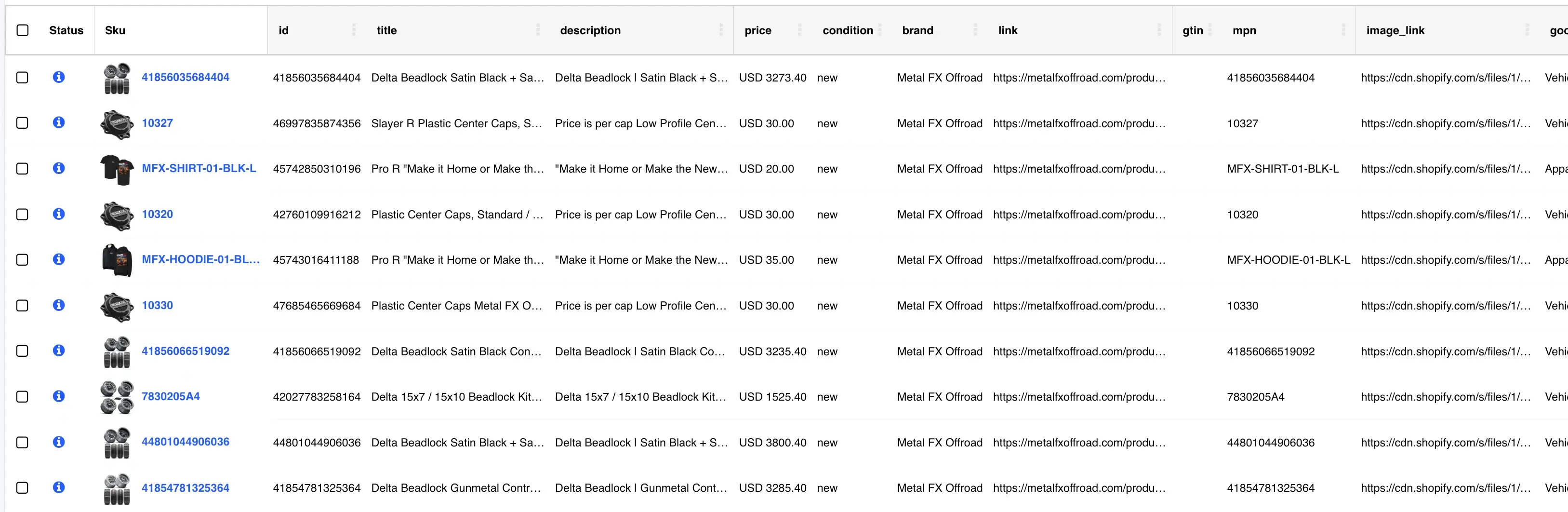
Off-road e-commerce client product feed table

Structured product feed data prepared for Merchant Center and Google Shopping.

Analytics and server-side tracking: making revenue data reliable

Browser-side tracking was not enough for a scaling ecommerce account. Cookie loss, browser restrictions, ad blockers, missing events, and bot traffic could all distort campaign decisions.

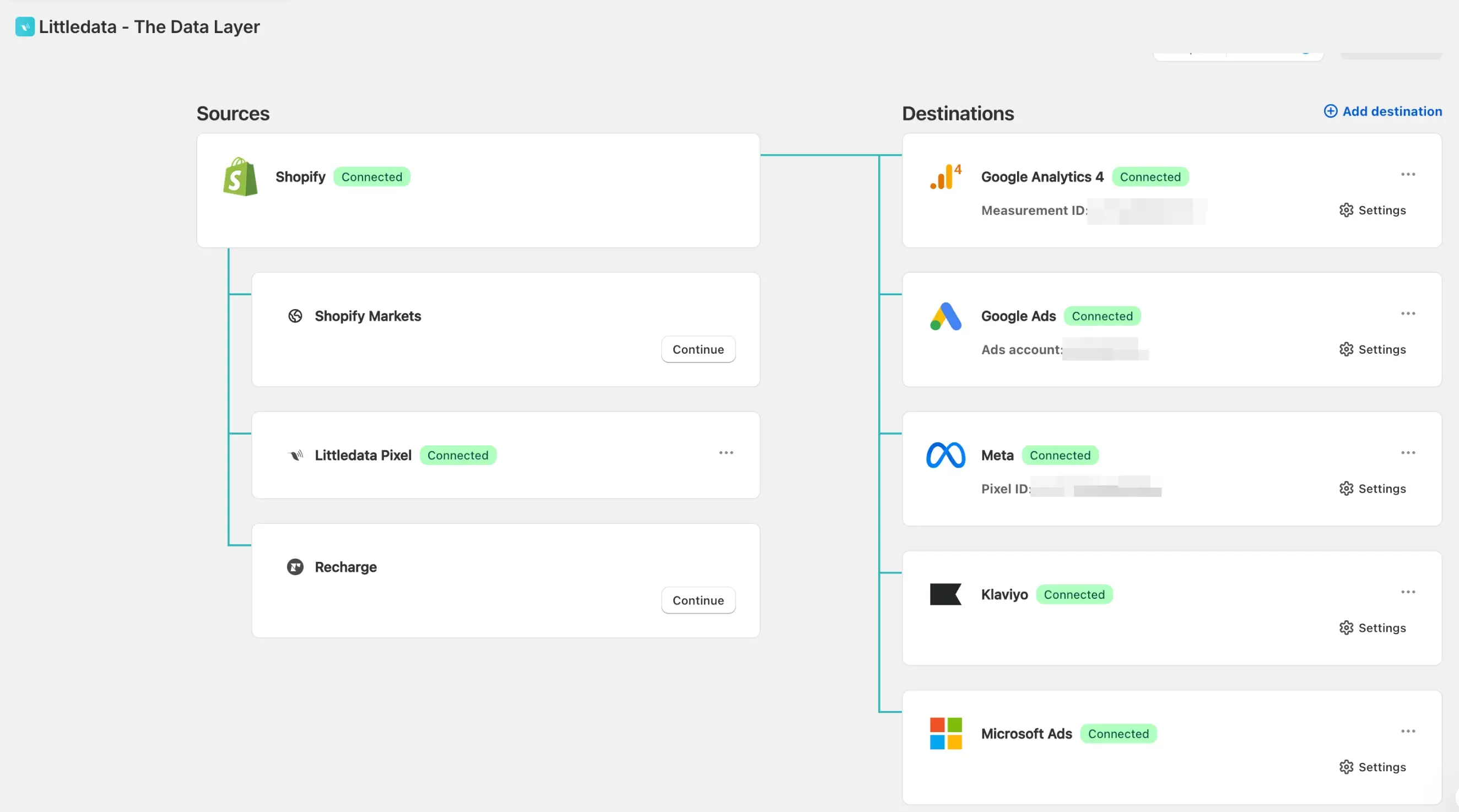
We moved transaction tracking through Littledata so purchase and revenue data could be sent more reliably to Google Analytics 4, Google Ads, Meta, and other destinations. Cleaner data made reporting more useful and gave the ad platforms better optimization signals.

Littledata server-side tracking destinations for the client

Littledata connected Shopify data with GA4, Google Ads, Meta, Klaviyo, and Microsoft Ads.

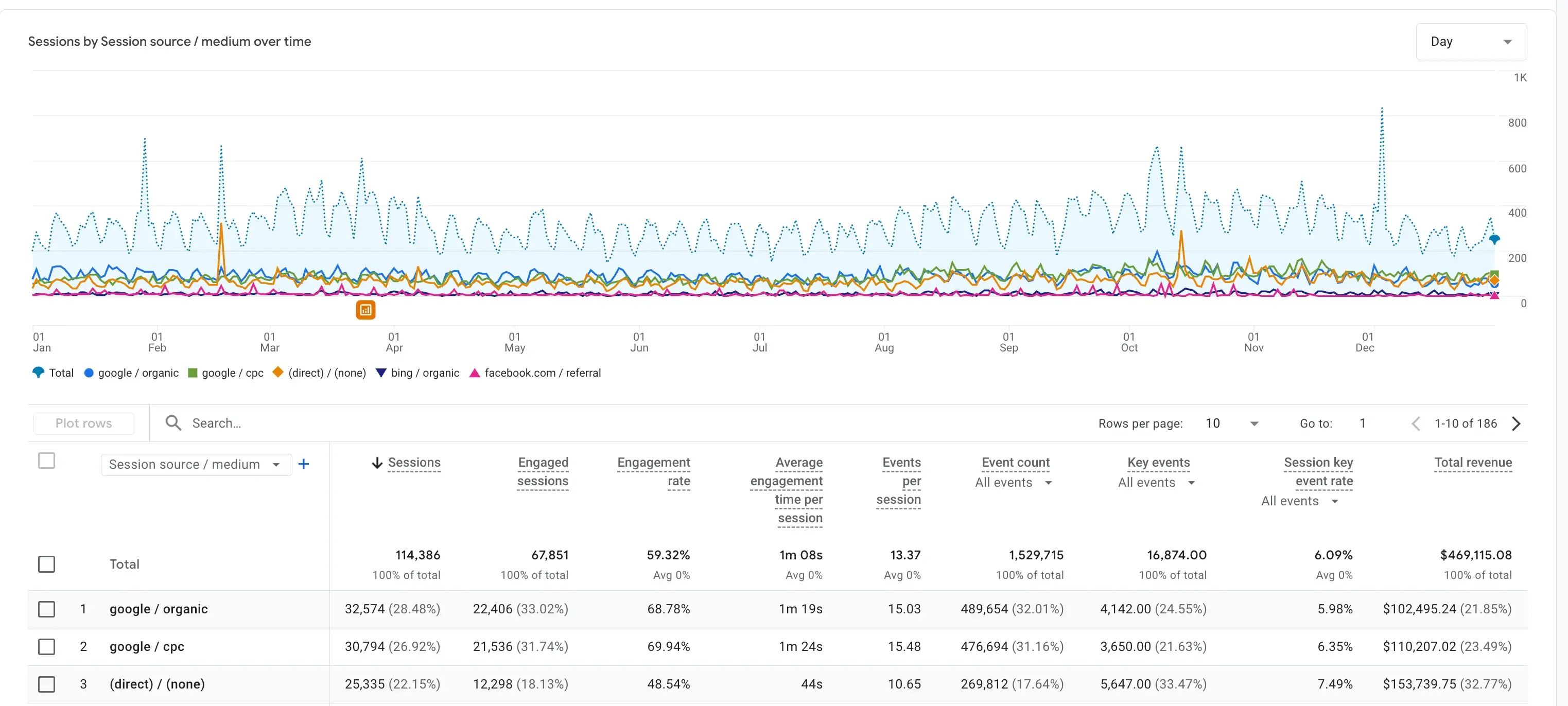
GA4 source medium revenue report for the off-road e-commerce client

GA4 source / medium view used to understand revenue contribution by channel.

Google Ads buildout: full catalog, priority products, zombie products, and brand protection

The Google Ads account was built around the catalog, product priorities, and business goals. Full-catalog Shopping coverage was separated from priority product groups that mattered more because of demand, margin, or strategic value.

After launch, some products received little or no impressions because the algorithm concentrated spend on early winners. To solve that, we created dynamic logic for low-impression products so hidden inventory had a chance to generate impressions, clicks, and sales.

We also added brand protection because competitors and resellers were bidding on branded search terms. That helped retain high-intent users already searching for the brand.

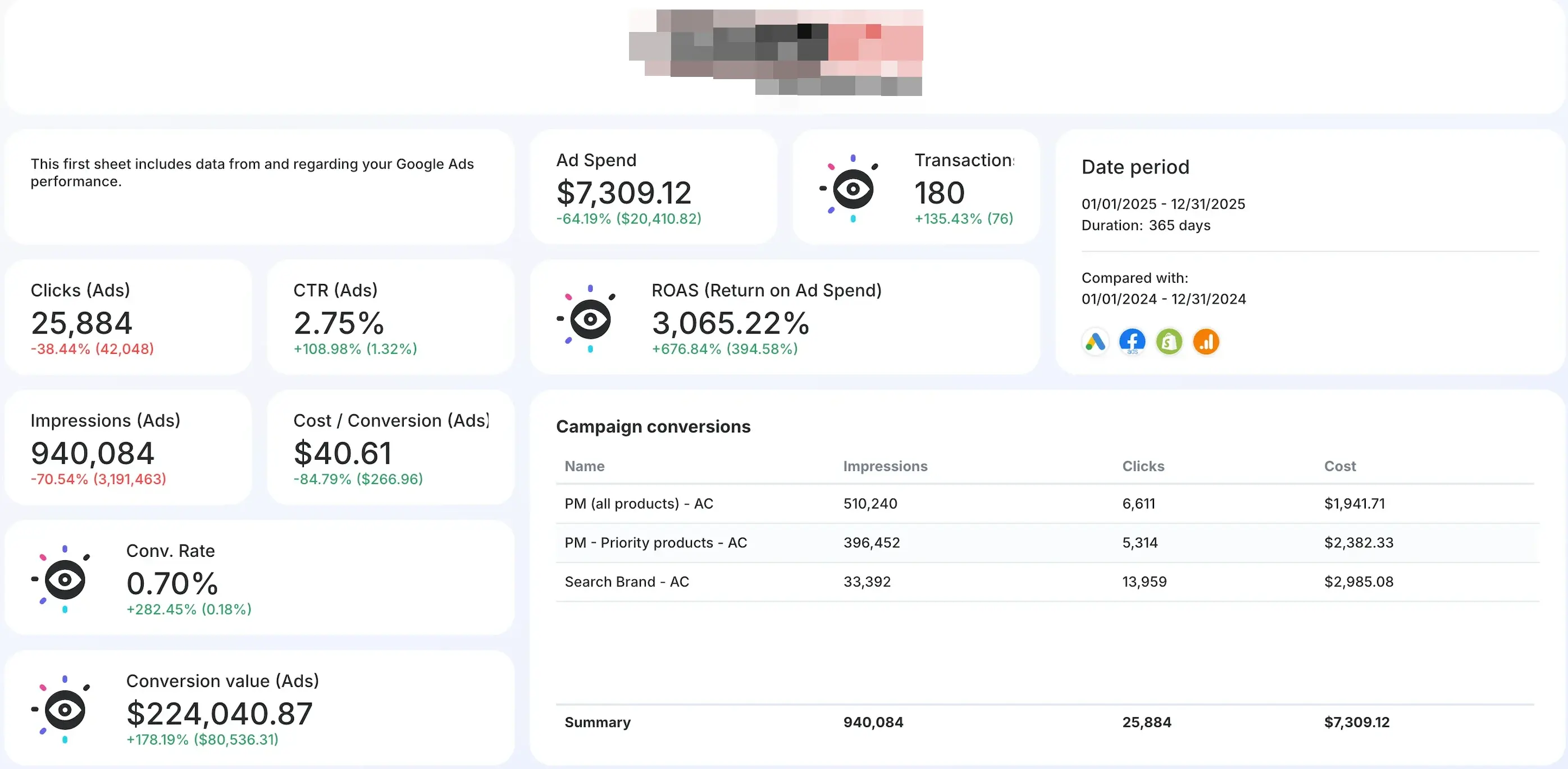
Off-road e-commerce client Google Ads 2025 performance report

Google Ads 2025: $224,040.87 conversion value from $7,309.12 ad spend.

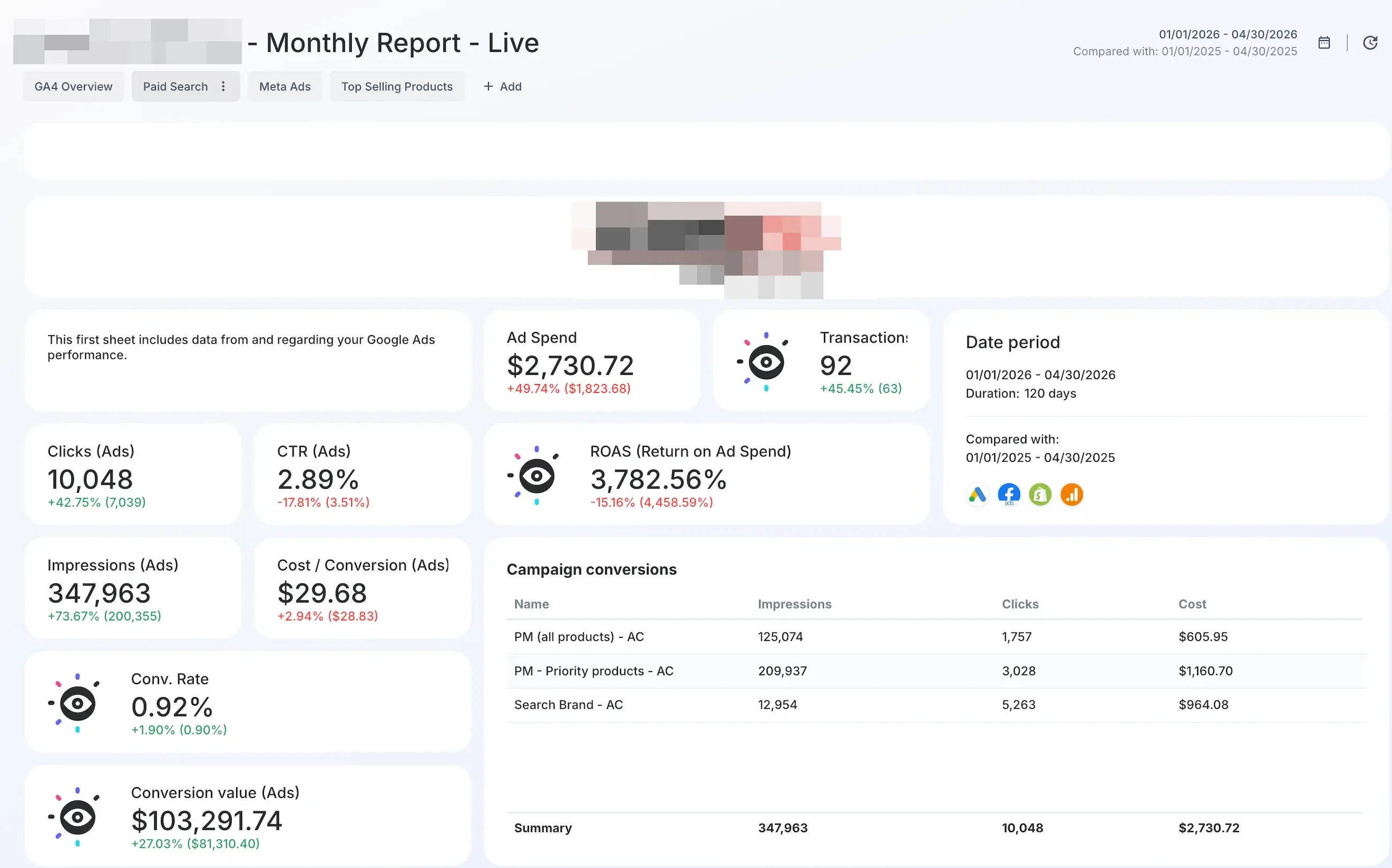
Off-road e-commerce client Google Ads 2026 year-to-date performance report

Google Ads 2026 YTD: 92 transactions and $103,291.74 conversion value.

The Google Ads structure was designed around product-level visibility and stronger control over where spend went.

Meta Ads: remarketing first, then broader acquisition

Meta Ads started as a bottom-of-funnel dynamic remarketing channel. Because the product feed had already been improved, the campaign could show relevant products based on user behavior and catalog interactions.

After remarketing was stable, Meta expanded into cold audience and brand awareness campaigns with product-specific hooks and video creatives. ROAS naturally moved down from pure remarketing levels, but Meta became a broader growth channel instead of only a return-visitor channel.

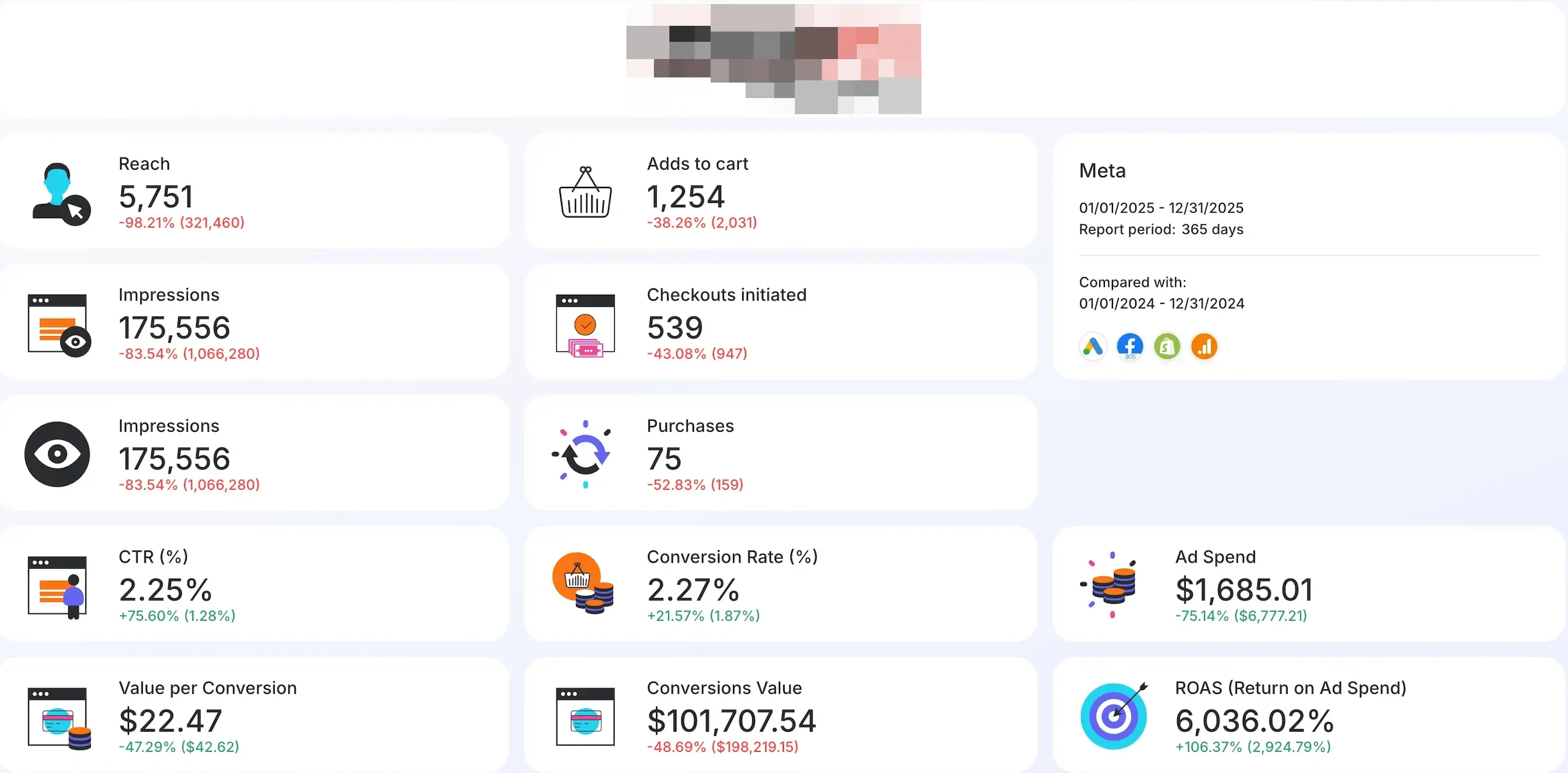
Off-road e-commerce client Meta Ads 2025 performance report

Meta Ads 2025: $101,707.54 purchase conversion value from $1,685.01 spend.

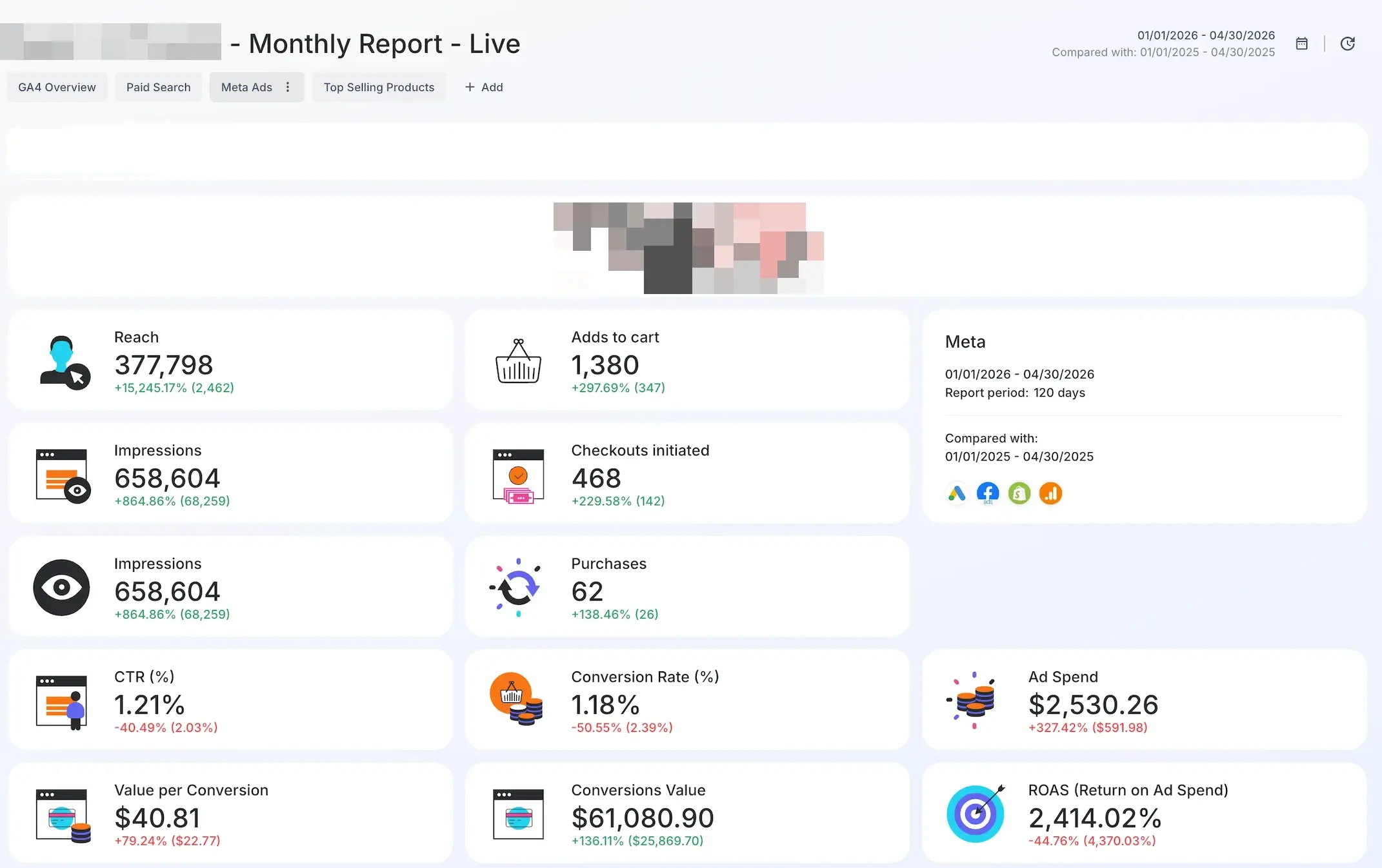
Off-road e-commerce client Meta Ads 2026 year-to-date performance report

Meta Ads 2026 YTD: $61,080.90 revenue and 2,414.02% ROAS.

Custom reporting and attribution: business visibility beyond platform dashboards

The client needed to understand the business quickly and make decisions based on facts, not platform fragments. We provided reporting around product performance, transaction rate, add-to-cart activity, source-level revenue, channel efficiency, and ecommerce growth.

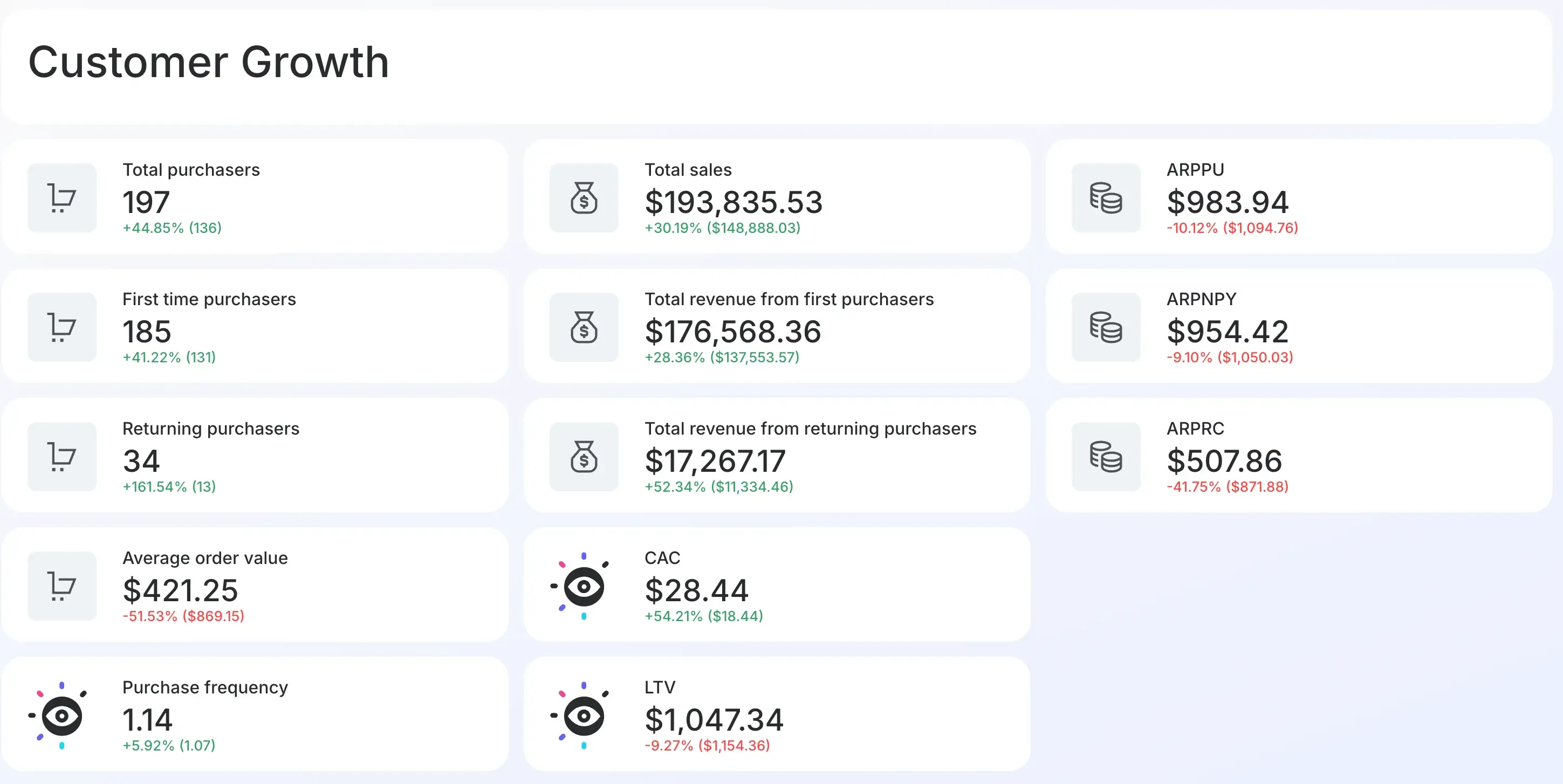
A custom attribution system added another layer: new customer acquisition cost, revenue from first purchases, repeat purchase revenue, LTV, purchase frequency, and differences between new and returning customers. This mattered because the budget was limited and every dollar needed a clear job.

Off-road e-commerce client custom attribution and customer growth dashboard

Custom attribution view for customer growth, purchaser mix, revenue, CAC, AOV, frequency, and LTV.

Reseller price monitoring: finding where direct demand was leaking

The client sells through its own website and through reseller partners. That creates a direct-sales risk: resellers can advertise the same products at lower prices than the official store.

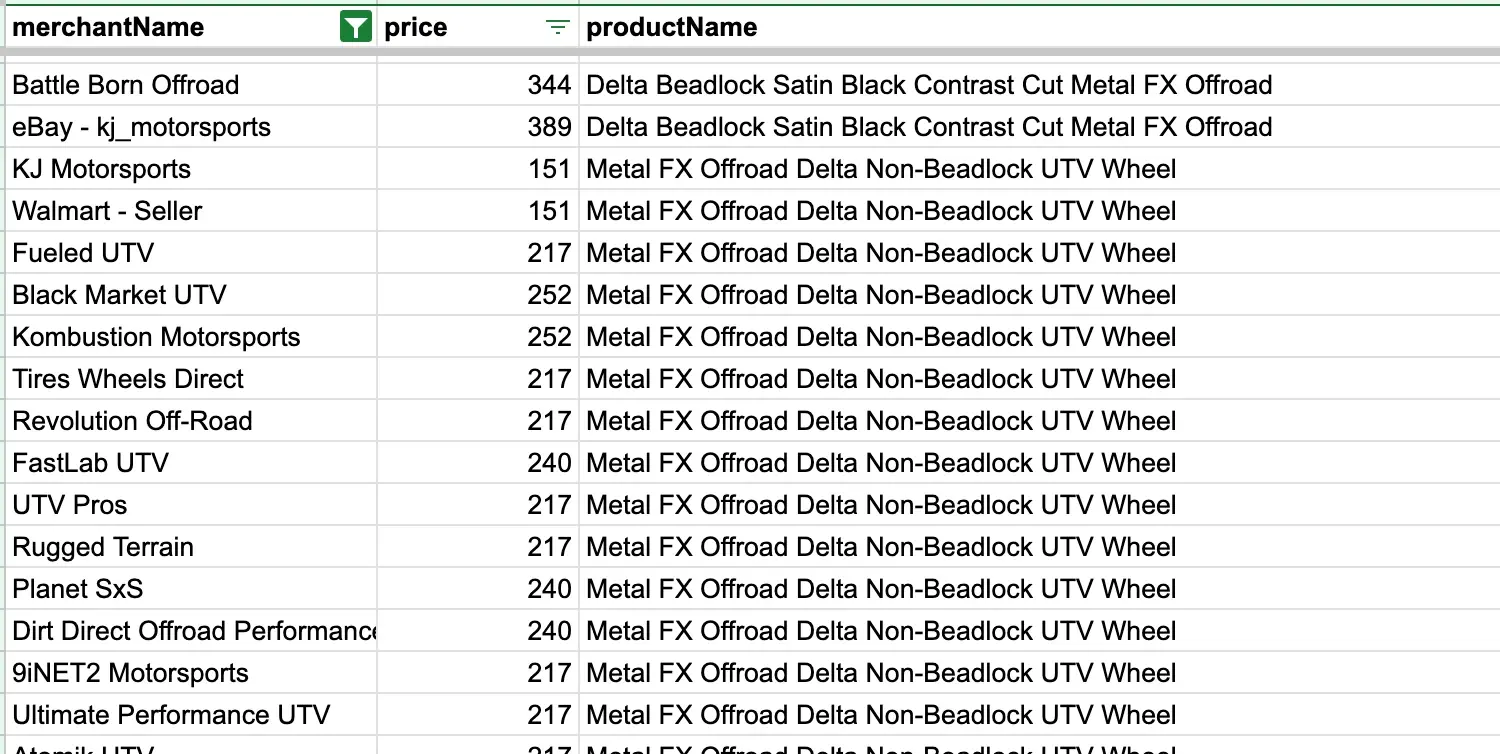
We built a custom monitoring process for Google Shopping results. The report showed which resellers were advertising the client's products, what prices they displayed, and where price gaps could pull demand away from the manufacturer website.

Off-road e-commerce client reseller price monitoring report

Custom reseller monitoring view showing merchant name, price, and product name.

Final results

Revenue grew on a cleanerpaid media foundation

$224,040.87
Google Ads revenue
2025
3,065.22%
Google Ads ROAS
from $7,309.12 spend
$101,707.54
Meta Ads revenue
2025
6,036.02%
Meta Ads ROAS
dynamic remarketing

Your business is capable of more. Shall we check?

An expert look from the outside often saves thousands of dollars. It's free.

Free audit includes competitor analysis, campaign optimization recommendations, and growth roadmap